Mara Wagner · 12 October 2026
Charting Visibility Shifts Through Layered Evaluation Cycles in Niche Platforms
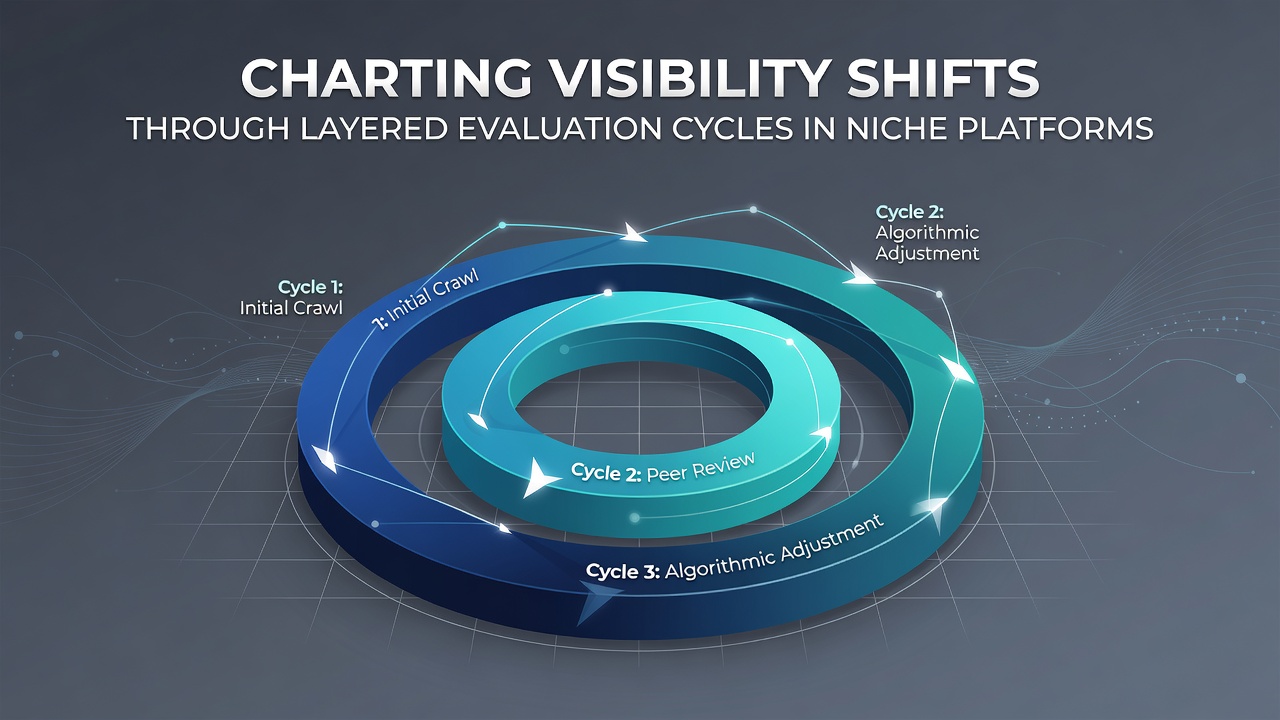
Observers note that niche platforms manage content visibility through structured, multi-stage evaluation processes that assess factors in sequence rather than in isolation, and these cycles often produce measurable shifts in how content surfaces to users over time. Researchers have documented patterns where initial content intake feeds into engagement analysis, which then informs broader distribution adjustments across specialized communities and recommendation feeds. Data from October 2026 indicates that several platforms refined these layers in response to increased user traffic and regulatory scrutiny on digital marketplaces.
Understanding the Structure of Evaluation Layers
Each evaluation cycle typically begins with a foundational scan that checks metadata, format compliance, and basic relevance signals before advancing to deeper layers involving user interaction data and network effects. Platforms apply these stages sequentially, so content that passes early thresholds gains exposure in subsequent rounds while items failing later tests experience reduced reach. Studies from academic institutions show that this staged approach allows operators to allocate computational resources more efficiently across large volumes of user-generated material.
One researcher who tracked changes on a specialized discussion network found that content entering the second layer saw visibility increases of up to 40 percent when early engagement metrics aligned with platform goals, whereas items stalled at the first gate remained confined to smaller audience segments. The process continues with periodic re-evaluations that incorporate fresh signals, creating ongoing visibility adjustments rather than static rankings.
Mechanisms Driving Visibility Adjustments
Layered systems rely on feedback loops where outcomes from one stage influence inputs to the next, and this creates dynamic responses to collective user behavior across the platform. For instance, when a niche forum observes sustained discussion around certain topics, the evaluation process elevates related content into higher-visibility recommendation zones during the later cycles. Figures from industry reports reveal that platforms updated these mechanisms in October 2026 to account for emerging content formats and shifting regulatory requirements in digital services.
External sources such as the European Commission digital strategy documentation outline how transparency obligations affect evaluation practices on platforms operating within the region, while Canadian regulatory updates from the same period emphasize accountability in algorithmic decision-making. These developments prompted several niche operators to document and refine their layer progression rules more explicitly.
Case Examples from Platform Operations
Take one specialized marketplace platform that introduced a three-layer cycle in early 2026: the first layer verified seller credentials and listing completeness, the second measured initial viewer retention rates, and the third adjusted promotional placement based on sustained transaction volume. Observers documented that listings advancing through all layers experienced consistent visibility gains, while those encountering friction at the retention stage saw progressive demotion over subsequent evaluation rounds.
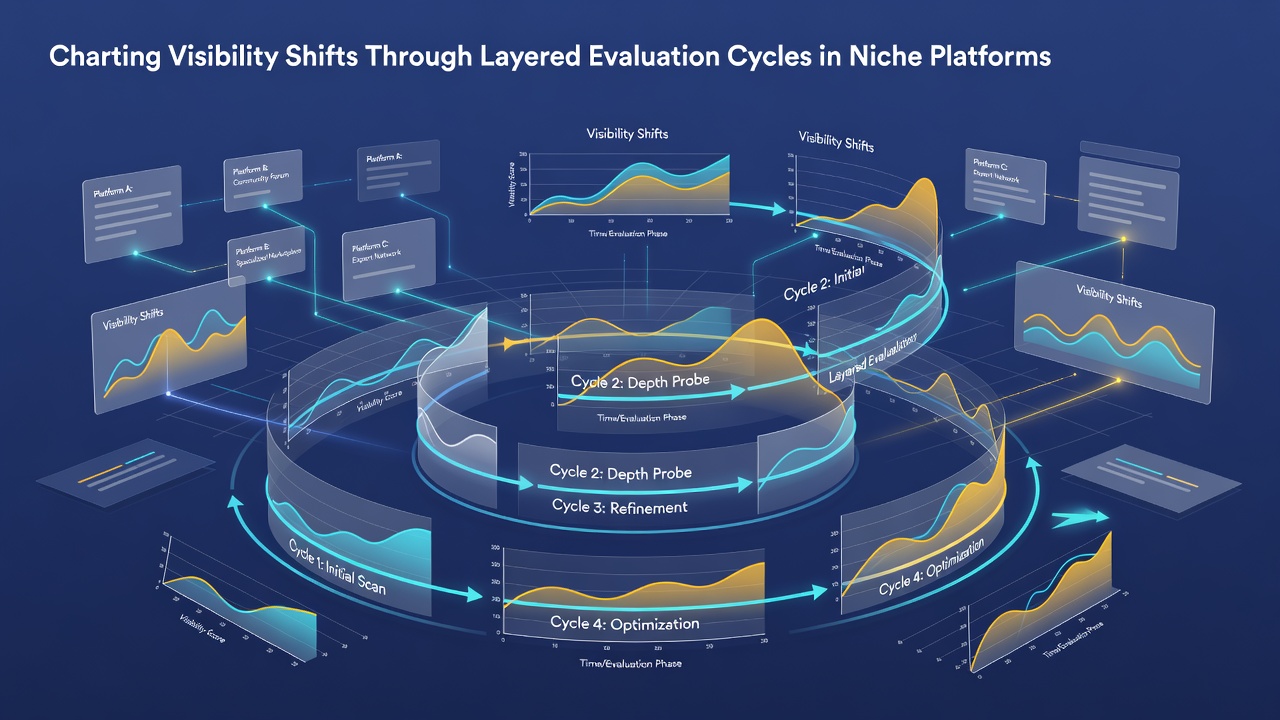
Another case involved a hobbyist community network where content evaluation incorporated temporal signals, allowing older posts to re-enter higher layers if renewed interest emerged through comments or shares. Research indicates that this approach prevented permanent burial of valuable material and produced more stable visibility patterns across monthly reporting periods. Platforms applying similar methods reported that overall user session duration increased when evaluation cycles balanced freshness with accumulated relevance signals.
Data Patterns Observed in Recent Periods
Analysis of platform metrics from October 2026 shows that visibility shifts occurred most frequently during transitions between the second and third evaluation layers, where engagement velocity became the dominant factor. Researchers compiled datasets demonstrating that content experiencing rapid early interaction received amplified distribution, while slower-building material required multiple re-evaluation passes before achieving comparable reach. These patterns held across different niche categories including technical forums, creative marketplaces, and interest-based social spaces.
Additional findings from university-led examinations suggest that platforms maintaining transparent documentation of layer criteria experienced fewer user complaints regarding sudden visibility drops. The same examinations noted that external policy changes, including those referenced in Australian communications authority reports, influenced how operators calibrated thresholds within each cycle during that period.
Conclusion
Layered evaluation cycles provide niche platforms with systematic methods for managing content visibility through sequential assessment stages that incorporate metadata, engagement, and behavioral signals. Records from October 2026 demonstrate ongoing refinements to these processes in response to traffic growth and external regulatory frameworks. Observers continue to monitor how adjustments at individual layers produce cumulative effects on content distribution across specialized digital environments, and available data supports continued examination of these mechanisms in future reporting periods.